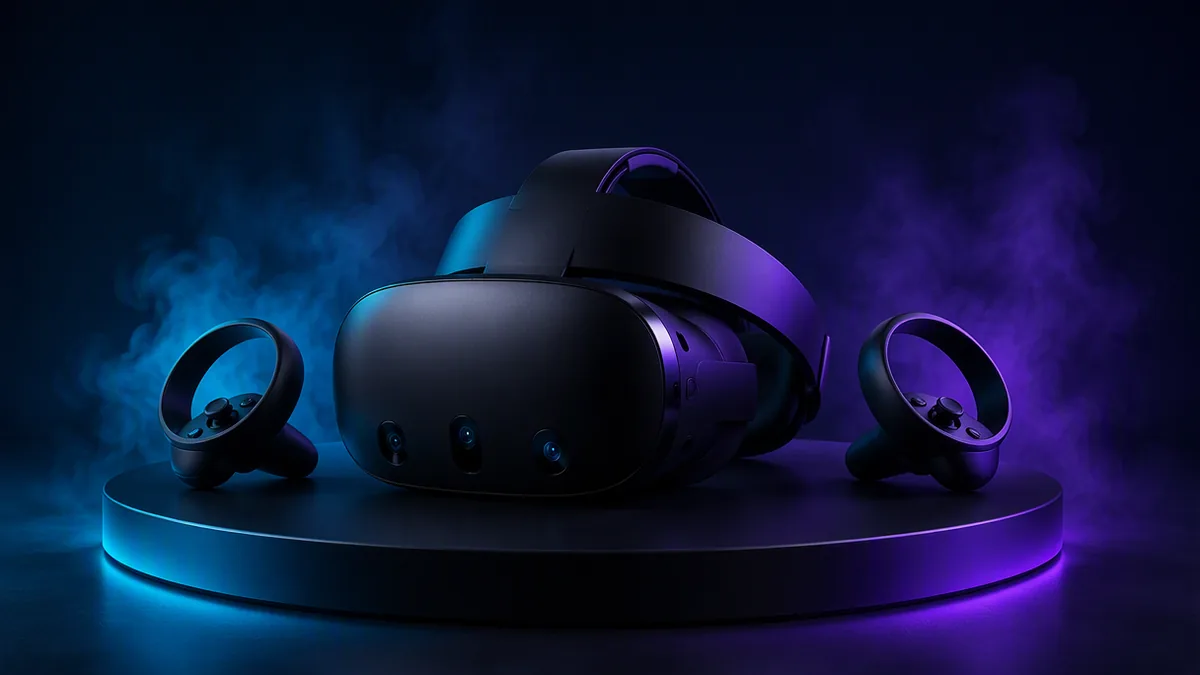
Valve’s worst kept secret just got a little less secret. ShortCircuit, the unboxing channel run by Linus Media Group, accidentally published a 17 minute “Our First 30 Mins With The Steam Frame” video ahead of the official embargo, and the internet did what the internet does: saved everything.
How the leak happened
Embargoes are the gentleman’s agreement of tech coverage: reviewers get hardware early, and in exchange hold their coverage until an agreed date. ShortCircuit’s video broke that clock, going live long enough for copies to circulate on Reddit and social platforms before being pulled. There is no indication of malice; scheduled publishing tools have humbled bigger operations. But once a 17 minute video is mirrored, it is effectively public.
Spec Sheet: what the leak confirmed
| Item | Detail |
|---|---|
| Ergonomics Accessories Kit | $60, sold separately |
| Kit contents | Extra headset head strap, Knuckles style controller straps |
| Controller power | Replaceable AA batteries |
| Claimed battery life | Around 40 hours per set |
| In the box | Two controllers, wireless adapter, glasses adapter, USB-C cable, information booklet |
| Price and release date | Still unconfirmed |
AA batteries: practical or cheap?
The most debated detail is Valve’s choice of replaceable AA batteries for the controllers, a departure from the built in rechargeable cells of the Valve Index. The claimed 40 hours per set is generous on paper, and swappable batteries mean zero downtime and no battery degradation over years of use. Critics counter that shipping disposable battery hardware in 2026 feels anachronistic, and that rechargeables add cost and clutter. Both readings are fair; the 40 hour figure will be the number to verify when independent testing lands.
The Half-Life question
Buried in the leak is the detail that will dominate comment sections: indications that Valve may be working on native Half-Life: Alyx support for the Steam Frame. Alyx remains the benchmark for VR design years after release, and a native, optimized version would give the new headset exactly what every VR platform desperately needs, a reason to exist on day one. Valve, characteristically, has confirmed nothing.
What the leak could not tell us
Seventeen minutes of impressions cannot answer the questions that decide whether the Steam Frame matters: display clarity, tracking quality in poor lighting, comfort over multi hour sessions, standalone versus tethered performance, and above all price. Those answers require extended testing, which is precisely what our How We Test methodology is built for when review hardware arrives.
While Valve polishes the launch, the rest of gaming keeps moving: catch up on Rockstar’s $3 million GTA 6 takeover of Miami and our hardware report on RTX 5090 stock feeding AI servers.
Where the Steam Frame fits in Valve’s hardware family
Valve has spent the last few years methodically building a hardware ecosystem around SteamOS and Proton. The Steam Deck proved the company can ship beloved hardware at aggressive prices, and the Steam Frame looks like the next pillar: a headset that plays your existing library rather than demanding a new one. If the leaked positioning holds, this is less a competitor to productivity focused headsets and more an extension of the PC gaming setup you already own, with the back catalog as the killer app.
The competition for your face
The VR market Valve would enter is simultaneously crowded and unresolved. Meta dominates the affordable standalone segment, Sony serves console players, and Apple occupies a luxury tier that mostly demonstrated how much consumers will not pay. What none of them owns is the world’s largest PC game library. That is Valve’s structural advantage, and it reframes the price question entirely: the Steam Frame does not need to be cheap, only good enough to make your Steam library feel new again. Expect the real fight to happen over comfort and content, not specifications.
Embargoes, explained
For readers wondering how a video like this escapes early: hardware companies seed review units to creators days or weeks before launch, under a timed agreement that coverage goes live at a coordinated hour. The system benefits everyone when it works: reviewers get time to test properly, manufacturers get a synchronized wave of coverage, and audiences get substantive content instead of a race to publish unboxings with no substance. Its weakness is exactly what happened here. Scheduling tools, time zones and human error mean one wrong click publishes for everyone, and in 2026, “live for ten minutes” is functionally permanent.
Valve has seen this before and will shrug it off. The company’s hardware launches thrive on community scrutiny, and nothing in the leaked footage damaged the product’s image. If anything, the accidental preview has raised expectations for the official reveal, and for the full reviews that will follow under the proper embargo.
The bottom line
Strip away the drama of the leak itself and the picture is promising: a headset with sensible ergonomics options, honest battery claims, thoughtful in-box extras and a software library nobody else can match. Whether that package justifies whatever price Valve announces will decide if the Steam Frame is the Steam Deck of VR or a footnote. The full reviews, arriving under the proper embargo, will tell us soon enough.
Source: Valve / Steam; leaked material via ShortCircuit (Linus Media Group), September 2026.
Questions about the Steam Frame or VR coverage? Reach the newsroom via our Contact page.